
“The doctor of the future will give no medicine, but will interest his patients in the care of the human frame, in diet, and in the cause and prevention of disease.”
— Thomas Edison
It’s time to get back to Nature to restore our health and vitality!
Have you noticed how much of today’s food is looking less and less like real food? Years of food processing have taken the goodness out of food and replaced it with trans fats, artificial colours, preservatives and chemicals. These foods have extremely low vitamin and mineral levels and are playing havoc with our health and weight as our bodies struggle to assimilate synthetic chemicals that they were never designed to process. In the midst of this, we seem to have forgotten about the wonderful healing benefits of natural whole foods and lost our connection with nature. Maybe it’s time for a rethink?
The powerful video below illustrates really well just how much we have come to rely on pharmaceutical medicines to suppress symptoms of disease without really realising. Our health care system has gradually become a disease management system – treating the symptoms but failing to treat the root cause of the disease and therefore failing to provide a cure in many cases. On top of that, our exposure to toxins and heavy metals in our diet and environment is at an all time high. This video shows how amazingly powerful nutrition can be for our recovery.
Here’s an 8 step plan which can help you to take control of your health and weight and hopefully increase your general vitality and well-being.
1) Increase your intake of raw (living) foods
The foods we eat carry various levels of energy so the higher the energy of the food, the healthier we feel. Eating raw plant foods will generate the highest energy because plants derive their energy straight from the sun. Fruits and vegetables contain phytonutrients, antioxidants, vitamins and minerals and can lower your chance of developing a range of diseases such as cancer, cardiovascular diseases and type 2 diabetes. Try to eat a wide range of different coloured vegetables – a rainbow every day – this will ensure that you get the full range of nutrients you need to protect you. Leafy greens such as kale, spinach and broccoli are nutritional powerhouses so try to include as many of them as you can into your diet. Kale is a particularly good source of calcium.
 As discussed in the video above, juicing is a great way to fuel your cells with rapid nutrition. The process of juicing extracts the nutrients and water from the fruit and vegetables and leaves behind the fibre. This means that your body doesn’t have to process the fibre which gives the digestive system a break and chance to heal. For more information on how to incorporate juicing into your diet see juicing for health
 2) Drink more water
Try to replace as many coffees, soft drinks etc as you can with clean filtered water. As our bodies are made up of around 70% water, it’s the vital energy that sustains us. Water protects against fatigue and can also help us think and focus better. It also helps with weight loss – a glass of water before a meal will help to reduce hunger. It flushes out toxins and improves our skin. It also helps with constipation and boosts our immune system. If you suffer from headaches, migraines and backaches, all of which can be a sign of dehydration, drinking more water can really help.
Coconut water – a really powerful health drink
Another great way to hydrate yourself is to drink coconut water. According to Dr Bruce Fife from the coconutresearchcenter.org :- ‘Coconut water has a long history of use as both a food and as a medicine. Although a variety of fruits grow in abundance in many tropical locations, coconut water is prized above all other juices and beverages as a means to quench ones thirst and bring relief from the hot tropical sun. It not only satisfies thirst but invigorates the body and brings about a sense of well-being and renewed health.’
Coconut water is extremely nutritious and rich in vitamins, minerals, enzymes and electrolytes calcium, magnesium and potassium. The electrolytes in coconut water are the same as those found in human blood. Coconut water hydrates and refreshes the body at a cellular level which can really help with vitality levels and has been implicated in helping with Chronic Fatigue Syndrome, migraines ( which can be caused by lack of magnesium), MS, digestive disturbances, and cardiovascular health. It has also been shown to help balance pH levels and to boost the immune system and kidney function.
In his book Coconut Water for Health and Healing, Dr Bruce Fife presents recent research suggesting that coconut water may also be useful in treating or prevent cancer, ageing, hardening of the arteries, osteoporosis and Crohn’s disease.
8oz of coconut water contains more potassium than a banana. Drink it on its own or try using it as a base for your smoothies. Look for pure coconut water from young green coconuts.
3) Eat fats but make sure they are the right type
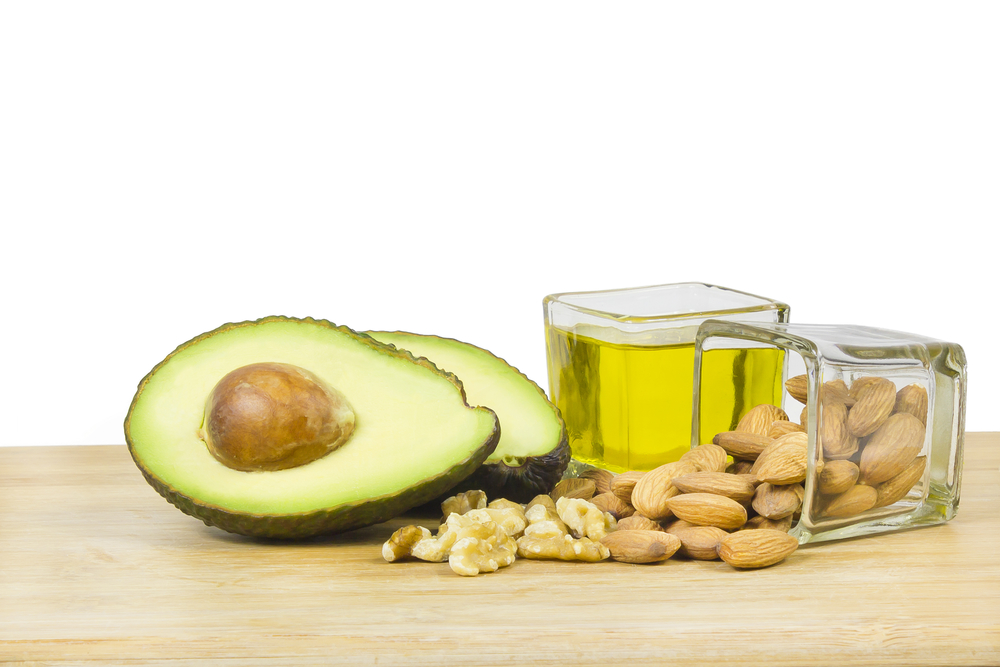 Fats which are made up of fatty acids are a crucial part of our everyday diet. Every cell in our body uses fatty acids and we can’t live without them. Fat in a meal slows down the digestive process so that the body has enough time to absorb all the nutrients from the meals. Vitamins A, D, E & K are fat-soluble vitamins as they require fatty acids in order to be absorbed. This slowing down of the digestive process provides energy for longer and avoids the energy highs and lows that occur with a high carbohydrate meal.
The Right Fats – these are the natural fats which include the fats derived from egg yolks, nuts and seeds, plants such as avocados, butter from grass-fed cows, coconut oil, olive oil, fish and meats from grass-fed animals. 
Essential Fatty Acids – fatty acids are made up of saturated fats, mono unsaturated fats (omega-9) and polyunsaturated fats (Omega-3 and Omega-6) . Polyunsaturated fats (PUFA’s) are Omega-3 or Omega-6 are known as essential fatty acids (EFA’s). As their names suggests, they are essential for health and must be obtained daily from our diet as they cannot be made by the body. The best sources of Omega-3 fatty acids come from flax seeds and oily fish. Omega-6 fatty acids are found in nuts, seeds, sunflower, sesame, corn, safflower and other oils.
Omega -6 to Omega-3 ratio – a cause for concern
The ideal ratio of Omega-6 to Omega-3 is about 1:1 to 4:1. Unfortunately, the ratio in the modern western diet tends to be around 20:1 and the latest research is revealing that this ratio is contributing to chronic inflammation and disease. Studies have shown that Omega-6 fats increase inflammation in the body which is associated with many chronic diseases as well as conditions like arthritis, depression, psoriasis, and blood clots. Omega-6 fats have become more readily available in our diets as they are the main fats in processed foods because they are cheaper and easier to use for manufacturing processes. Another problem is that heating these fats can turn them into harmful ‘trans’ or hydrogenated fats. The overuse of these fats now means that most people are failing to achieve their adequate daily intake of Omega-3 fats.
If you want to increase your overall health and energy level, and prevent chronic health conditions such as heart disease, cancer, depression and Alzheimer’s, rheumatoid arthritis, diabetes and ulcerative colitis, one of the most important things you can do is to increase your intake of Omega-3 fats and reduce your intake of processed Omega-6 fats. The more Omega-3 you eat, the less Omega-6 will be available to produce inflammation.
4) Try to get most of your protein from nuts, seeds, legumes, plants and organic meats
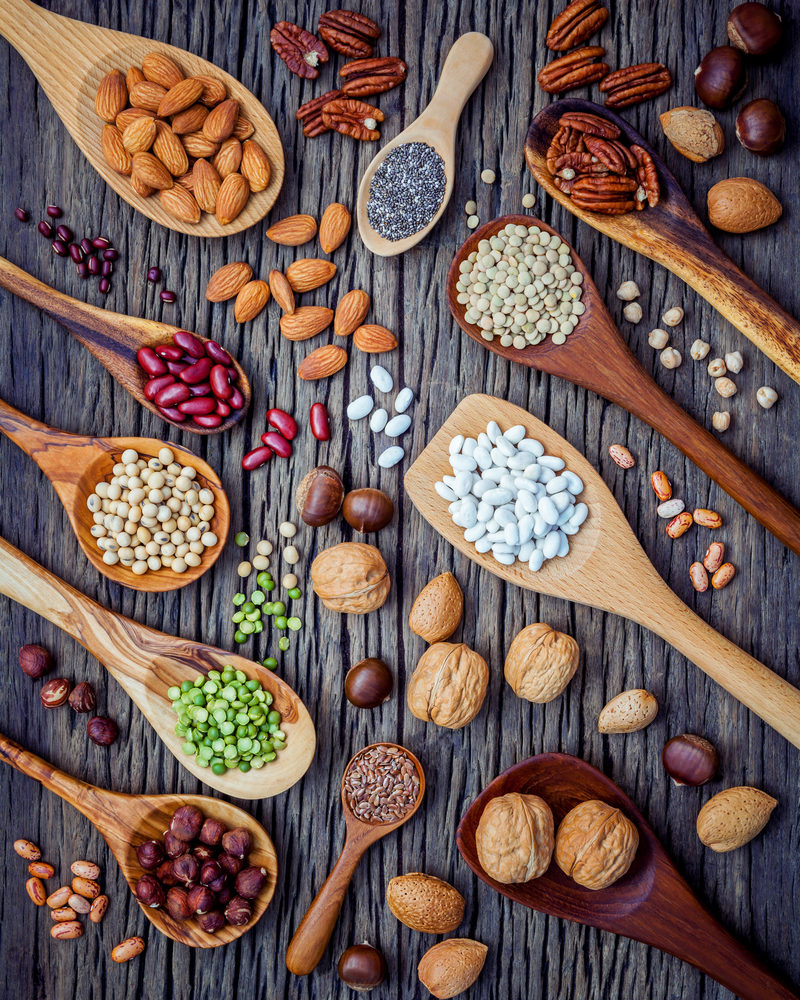
Protein is the building block of life and is essential for cell growth and tissue repair. Protein also takes longer to digest than carbohydrates so it can make you feel fuller for longer which is great news for anyone trying to lose weight.
All proteins are made up of a different combination of 20 compounds called amino acids. There are 2 types of these :- essential amino acids and non essential amino acids. Our bodies can make the non essential amino acids but the 9 essential amino acids need to come from our diet every day. Try to replace some animal protein sources with plant protein sources.
These include :- Nuts -a great source of protein along with omega-3 fatty acids, protein and fibre. When eaten in moderation, they can help you feel full and reduce your cravings and appetite. Try to eat raw nuts and avoid those packaged in oil. Some of the most beneficial nuts are Walnuts ( good for heart health) , Brazil nuts ( one nut contains your daily allowance of selenium) , Almonds ( these contain more calcium than any other nut and are also rich in Vitamin E, they also help lower cholesterol) , Cashews (high in iron and Vitamin K), Pistachios (rich in lutein which is good for healthy vision and skin and also high in potassium).
Nut Butters such as almond and cashew butters are also high in protein- look for the ones with as few ingredients as possible. Eaten sparingly, these can help with appetite control and cravings.
Seeds – Seeds are also nutritional powerhouses – some of the most nutritious are :- Chai seeds (rich in calcium – 1 tbsp has more calcium than a glass of milk – also rich in iron, Omega-3s and antioxidants.) Hemp seeds (an easily digested superior vegetarian source of protein). Flax seeds (Rich in Omega-3s and dietary fibre which helps suppress appetite and support weight loss). Pumpkin seeds ( high in protein, good source of vitamin B – thiamin, riboflavin, niacin, pantothenic acid, zinc and vitamin B6). Sesame Seeds (high in manganese and copper and also a good source of calcium, magnesium, iron, phosphorous, vitamin B1 and zinc. Sunflower seeds (high in vitamin E and magnesium). Quinoa – often described as one of the world’s most nutritious foods, quinoa is an excellent source of protein and fibre along with being an abundant source of the minerals magnesium, phosphorous, folate, copper, iron, zinc and potassium. For protein superfood energy snack ideas click here.
Vegetables – these can be a great source of protein. Try to mix and match them as much as possible to ensure that you are getting the right balance of amino acids. Some of the vegetables which contain the most protein are Peas, Spinach, Kale, Broccoli, Sprouts, parsley and mushrooms.
5) Buy organically grown and farm-fresh foods wherever possible
According to the UK Soil Association, around 500 chemicals are routinely used in conventional farming. Organic farmers avoid the use of synthetic pesticides, fertilisers, genetically modified seeds, antibiotics and growth hormones. Until relatively recently, our diets were made of organic foods. Today, it’s a totally different story and we’re being exposed to an increasing number of chemicals everyday. According to a report by The Pesticide Action Network UK (PAN) , the ten worst foods for pesticide residues are flour, potatoes, bread, apples, pears, grapes, strawberries, green beans, tomatoes and cucumbers. The foods least likely to contain residues are listed as squash, cauliflowers, corn-on-the-cob, raspberries, melons, bananas, celery, leeks and onions. You can see the full report here.
A great place to buy organic produce is through a local box scheme – the produce is supplied by local farms so you will get to support them and you will also know exactly where your food has come from . You will also gets lots of recipes and ideas on how to use the items in the box.
6) Cut right back on refined sugars
Refined sugar (not natural sugar from fruit ) has no nutritional value, fuels cancer cells (Nobel Laureate Otto Warburg 1931) and causes the body to deplete its own stores of vitamins, minerals and enzymes. Regular refined sugar consumption can also lead to over-acidic conditions in the body. This means more minerals will be needed to correct the Ph imbalance. Calcium, sodium, potassium and magnesium are taken from all over the body to help process the sugar. If the body is lacking in any of these nutrients it needs to process the sugar, it will not be able to do it properly resulting in the build up of toxins.
The safest way to get sugars in your diet is in the form of fruit and vegetables which is what nature intended for us. In his book ‘Fat Chance – the Hidden Truth about Sugar, Obesity and Disease’, Dr Robert Lusting explains how the fibre balances out the fructose and reduces the rate of flux to the liver ; the liver can keep up which mitigates most of the effects of the sugar. The fructose in most fruits is balanced nicely by the fruit’s fibre content.
So, it’s not the small amount of fructose from fruit and vegetables that’s harmful but the huge doses of it from other sources that are putting our health at risk. Processed foods contain fructose but have had the fibre removed and so there is essentially no nutritional value at all to them.
Fructose is metabolised by the body in a much different way to glucose – it relies on the liver totally to metabolise it and the large daily doses of fructose are putting a massive strain on the liver. Any fructose that doesn’t get burned up immediately turns into fat (VDL and triglycerides) which means more fat deposits throughout the body. Too much fructose also elevates uric acid which can lead to chronic low-level inflammation – a precursor to many of today’s diseases.
How to deal with sugar cravings
- Try to balance out your blood sugar levels by eating more protein (ideally plant-based). For plant protein superfood snack recipes click here. Hunger is your body asking for nutrients so try to make sure whatever you eat is not nutritionally empty – try fruit, vegetables or a smoothie with coconut water. Foods containing natural sugars such as grapes, figs, dates and melons can really help.
- Make sure you’re getting enough good fats – avocados and coconut oil are great to added to smoothies and help with the absorption of the fat-soluble vitamins A, D, E and K.
- Ensure that you’re getting enough fibre – at least 30g a day from sources such as flax seeds, chai seeds, quinoa, lentils, peas, squash and nuts. Cinnamon sprinkled on drinks or food is great at regulating blood sugar levels.
- Try to start the day with some sort of protein. You could try a smoothie – whizz up your favourite fruits to which you can also add plant protein powder, flaxseed, nuts, seeds and spices. You can use coconut water or nut milks as a base to make them dairy-free. See Chocolate Hemp Berry Smoothie
7) Cut back on processed (dead) foods
A lot of today’s processed food has had the natural fibre stripped out of it and this is where the health promoting benefits are found. The fibre is replaced with synthetic chemicals and additives to ensure that the food has a long shelf-life but these added chemicals turn the food into fake or shadow food with virtually no nutritional value, no enzyme content and no connection to nature. For times when buying processed foods is unavoidable, just remember to look closely at the labels and look for as few ingredients as possible. Try not buy processed foods with ingredients you don’t recognise.. Be aware of the word ‘fortified’. It sounds good but it many cases it really just means that the real natural goodness of the food has been taken out during the food processing and synthetic nutrients/vitamins have been added back in.
8) Learn ways to de-stress and relax
Fuelling your body with the right foods is a massive step towards great health but if you’re feeling stressed, it’s important to arm yourself with some tools to help you manage your stress levels.
Stress caused by emotions ( worry, fear, anxiety, hate, envy, jealousy etc) can trigger the fight or-flight response in the body – the same response that’s triggered when you’re facing an emergency situation. Being in a prolonged fight-or-flight mode can lead to impairment of the immune system and disease.
The good news is that our bodies have natural self repair mechanisms so we need to tune in to them to help ourselves recover. The opposite response to the fight-or-flight response is the relaxation response and if we can trigger this response, we can help our bodies to heal.
Dr. Herbert Benson, author of the best-selling book ‘The Relaxation Response’, has spent most his life researching and helping people elicit their own relaxation response. Some of the best methods are :
Meditation and Mindfulness
Being Mindful means that you’re actively paying attention to the moment you’re in right now. When a thought comes into your mind, you can teach yourself to let it pass through without judgement and without getting caught up in its emotional implications.
For more information, have a look at the TED talk below by Andy Puddicombe who teaches you how you can practice mindfulness from 10 minutes a day. He has created an App called Headspace which talks you though guided mindfulness meditations (www.headspace.com).
Countless studies have shown that the more you meditate, the happier and healthier you become. Louise Hay (www.hayhouse.co.uk) has some great free healing meditations on you tube.
EFT (Emotional Freedom Techniques)
EFT works by tapping on the body’s energy meridian points – when you use this technique, you are tapping into your body’s own healing powder. Tapping reduces cortisol levels and can help to release the blockages in your energy system that have tied you down and contributed to stress and illness. Many deep-seated issues can be relieved in this way such as childhood traumas, limiting beliefs, fears and phobias.
You can practice EFT yourself – for more information go to (www.thetappingsolution.com) or you may prefer to consult an EFT practitioner if your symptoms are severe.
Tai Chi and Yoga
Therapies such as yoga and tai chi combine fluid movements with deep breathing and mental focus, all of which can induce calm and help you to feel grounded, relaxed and energised.
Physical Exercise
Engaging in regular exercise is a powerful way to combat stress as it causes an immediate increase in levels of the feel good neurotransmitters including serotonin, dopamine and endorphins which can often be depleted if you’re suffering from anxiety and depression.
Other natural stress-relievers include sound therapy, essential oils, spending time in nature or by the sea and barefoot running or walking (earthing).
References :-
Coconut research center.org coconut water dew from the heavens
The importance of the ratio of omega-6/omega-3 essential fatty acids –
Health Implications of High Dietary Omega-6 Polyunsaturated Fatty Acids
Otto Warburg biographical http://www.ncbi.nlm.nih.gov/pmc/articles/PMC2947689