
Magnesium is one of the most vital nutrients for the human body and is absolutely essential for good health and well being. It is a key factor in energy production and helps to regulate the activity of more than 300 enzymes. Many bodily functions such as muscle control, temperature regulation and the elimination of toxins require magnesium.
Dietary levels of magnesium have dropped significantly during the last century making magnesium deficiencies all too common. In her book The Magnesium Miracle, Dr Carolyn Dean explains how a deficiency in magnesium can lead to dozens of health conditions such as chronic fatigue, and fibromyalgia, heart problems, diabetes, stress-related illness, inflammation and migraines. A published medical study concluded that all migraine sufferers should be given magnesium based on the strong evidence that magnesium defiencicy is much more prevalent in migraine sufferers than healthy controls.
Magnesium protects cells from heavy metals and emerging evidence is suggesting that low levels of magnesium may contribute to the heavy metal build-up in the brain that precedes Parkinson’s, multiple sclerosis and Alzheimer’s.

Here’s where Epsom salt can really help. Epsom salt is made up of magnesium sulphate crystals and by soaking in an Epsom salt bath, you absorb magnesium and the sulphates through your skin. The sulphates flush out toxins and heavy metals and excess fluids are drawn out through the skin. This can really help with bloating, constipation, congestion and migraines. Magnesium is a natural stress reliever so soaking in an epsom salt bath can help to ease stress levels, promote sleep and can also help to ease muscle strain and soothe back pain.
A report carried out at the University of Birmingham UK has shown that bathing in Epsom salts is a safe and easy way to increase sulphate and magnesium levels in the body. Topping up magnesium levels transdermally may more advantageous than taking magnesium in supplement form as the presence of certain foods or drugs or certain medical conditions can interfere with the effectiveness of the supplements. Of course, be sure to consult with a health professional before using Epsom salts if you have any medical conditions or are pregnant.
How to use Epsom salt in a bath
Add 2 cups of epsom salt to a warm bath and soak for a minimum of 20 minutes 2-3 times a week.
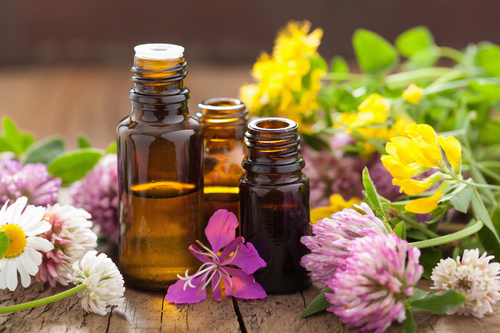
You may also like to add around 6-8 drops of your favourite essential oil -e.g lavender works well for insomnia, anxiety, depression, and as a natural stress reliever.
Frankincense oil which is also known as the King of Oils has some amazing physical and spiritual healing properties. It has been successfully used to treat digestive and immune system issues, oral health, respiratory concerns and stress/anxiety. Another very important property of Frankincense is it’s ability to fight cancer. More and more studies are appearing showing how frankincense can kill cancer cells – one study from the University of Leicester, UK in 2013 showed that frankincense compound is effective at killing late-stage ovarian cancer cells.
For a full essential oils database, go to Dr Eric Z at http://drericz.com/essential-oils/
Baking Soda
Another great addition to a bath is baking soda which is a powerful detoxifier due it’s extremely alkalising properties. It is known to help detoxify from the effects of radiation poisoning. It helps to exfoliate the skin and studies have shown that it can also help in the treatment of psoriasis. In his book Sodium Bicarbonate Nature’s Unique First Aid Remedy – Dr Mark Sircus states that ‘combining the baking soda with magnesium salts brings dramatic changes to human physiology’. Try adding 1 cup of baking soda to a warm bath.
Ascorbic acid powder – adding teaspoon of ascorbic acid powder is recommended if your water is unfiltered as it helps to neutralise the chlorine in the bath water.
Sources : –
The Magnesium Miracle – Dr Carolyn Dean MD
Magnesium in prevention and therapy –
Why all migraine sufferers should be treated with magnesium
Report on absorption of magnesium sulphate (Epsom Salt) across the skin – University of Birmingham, UK
Christmas gift brings treatment hope for cancer sufferers – University of Leicester UK
Sodium Bicarbonate Nature’s Unique First Aid Remedy – Dr Mark Sircus
No comments yet.